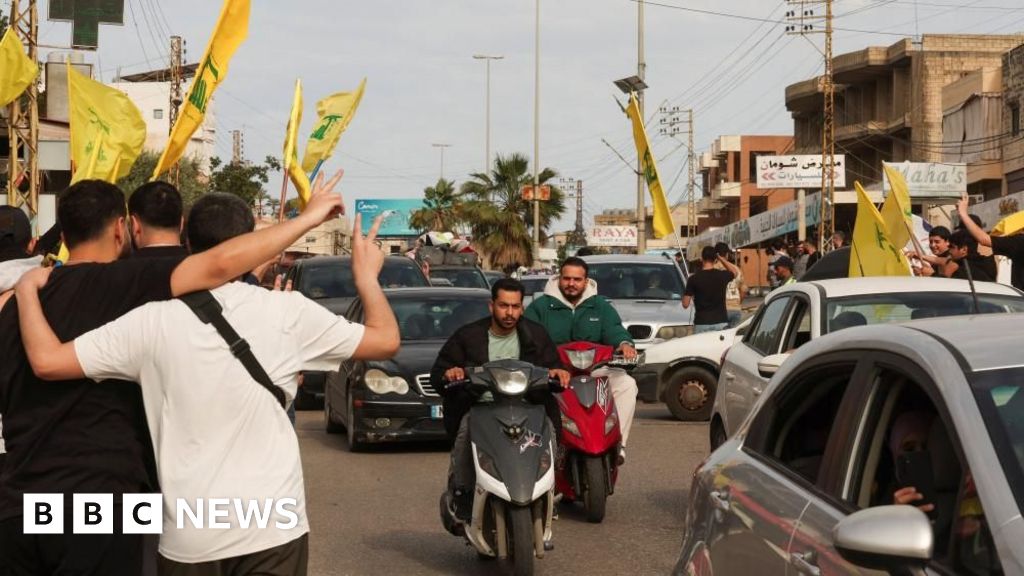
The announcement of a ceasefire following six weeks of intense fighting between Israel and Hezbollah brought a temporary wave of celebration to Beirut. Crowds gathered in the south, signaling a brief moment of relief for a nation utterly exhausted by conflict. However, this respite arrives against a backdrop of staggering devastation, with Lebanese authorities reporting over 2,100 fatalities and the displacement of more than a million people, highlighting a severe humanitarian crisis.
While some residents are attempting to relocate, many are faced with the reality that significant areas are too damaged for return, and parts of the country near the border remain under Israeli occupation. Even in areas like Dahieh in Beirut, which sustained heavy bombardment, fear of returning to rubble-strewn homes persists, particularly in waterfront areas where makeshift shelters have been erected.
Crucially, the ceasefire agreement itself leaves several major questions unanswered. Foremost among these is the lack of any explicit commitment regarding the full withdrawal of Israeli forces from southern Lebanon, raising fears of continued occupation in buffer zones.
Furthermore, the contentious issue of Hezbollah’s weaponry remains unresolved. While some international actors and Lebanese factions demand disarmament, citing the group’s perceived alignment with Iran, Hezbollah has thus far declined to discuss the future status of its arsenal, adding a layer of political tension to the fragile peace.
About the Author