Geopolitical Strain Deepens: Member States Wrestle with Trade Ties to Israel Amid Human Rights Concerns
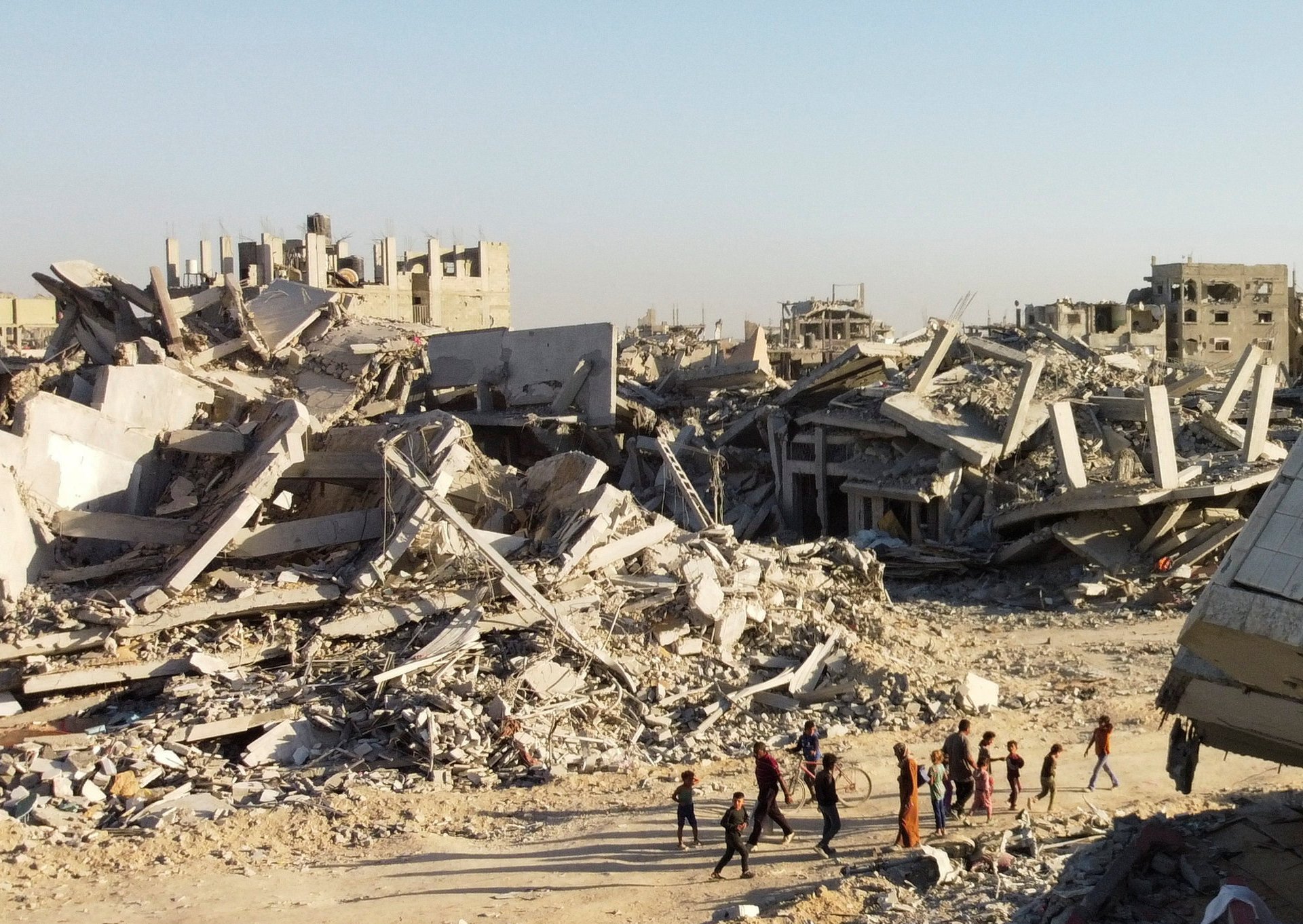
The European Union is currently experiencing internal friction regarding its long-standing commercial relationship with Israel. Discussions among foreign ministers are centered on the contentious issue of potentially suspending a major trade agreement. This debate has been amplified by mounting international criticism and palpable concern within member states regarding Israel’s actions in the Palestinian territories, specifically Gaza and the West Bank.
While some member nations are advocating for a strong response to perceived rights violations, calling for a re-evaluation of the existing partnership, others remain hesitant to take drastic steps. This division within the bloc suggests that any swift or complete withdrawal from the association agreement is unlikely in the immediate future, despite the growing chorus of calls for accountability from various international human rights bodies and activists.
The core of the disagreement revolves around the principles underpinning the EU-Israel accord. The pact, which has provided Israel with preferred access to European markets since the turn of the millennium, is a foundational component of the EU’s commercial relationship with the country. However, the agreement itself contains provisions linking cooperation directly to adherence to international human rights standards, making this clause the central flashpoint in current diplomatic discussions.
The Significance of the Divide
The tension highlights a significant divergence in foreign policy priorities among EU members. On one side, officials are publicly emphasizing the importance of upholding international law and human rights norms as a litmus test for any major international partnership. On the other, major economies are expressing caution, preferring structured dialogue over punitive action. This contrasting approach means that while global advocacy pressure is high, the bloc’s internal consensus on how to proceed remains fragile and deeply divided.
Background on the Trade Framework
The specific trade agreement established in 2000 provides Israel with privileged commercial access to the EU bloc, fostering cooperation across several sectors, including research and diplomacy. Critically, this arrangement is not merely a commercial treaty; it incorporates explicit stipulations regarding mutual respect for democratic values and human rights. This dual nature—binding economic access alongside ethical obligations—is what fuels the current policy debate. Critics argue that alleged deviations from these stated principles provide sufficient grounds to trigger a review, potentially leading to a partial or full suspension of the preferential terms. The internal struggle within Brussels is thus a negotiation between powerful economic interests and adherence to evolving international legal standards.
About the Author