Assessing the Reality: Low Ridership Challenges Amid India’s Massive Metro Infrastructure Buildout
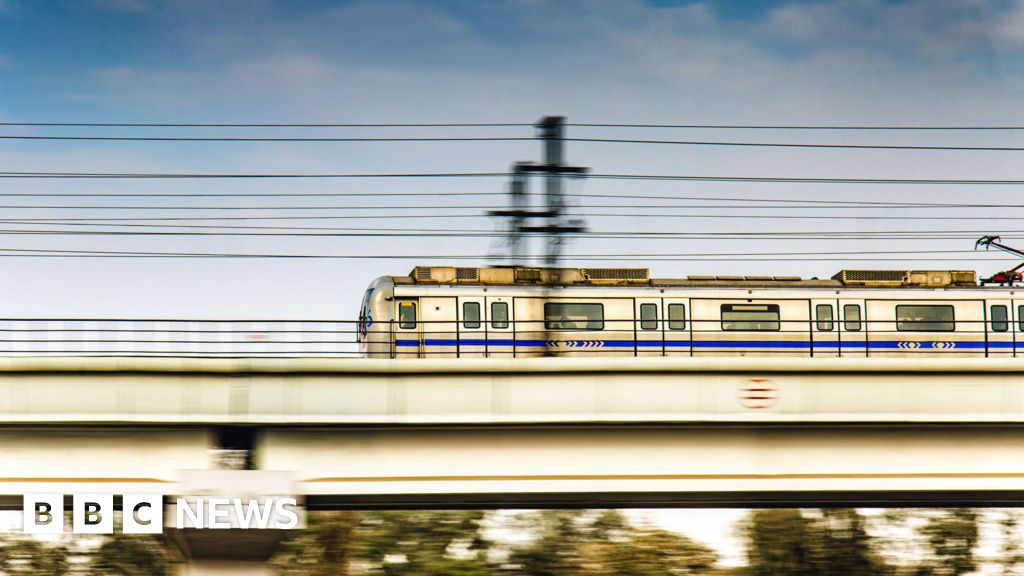
Despite monumental investments amounting to billions of dollars, the operational success of India’s newly developed metro rail networks is facing a complex reality check. High-profile, modern infrastructure projects, such as the underground Aqua Line in Mumbai, are visible triumphs of urban planning. However, on the ground, many of these flagship corridors are reporting significantly lower passenger volumes than initially predicted. This disparity raises serious questions about the actual utility, adoption rates, and underlying economic viability of the sprawling rail expansion.
The rapid proliferation of metro lines across major metropolitan areas reflects a massive national commitment to improving urban mobility. While the total length of the network has expanded dramatically, connecting key commercial zones and burgeoning residential hubs, the numbers suggest that sheer expansion in physical track does not automatically translate into sustained, high-volume usage. This developing pattern indicates a need to look beyond the impressive construction statistics to understand commuter behavior and local transit needs.
What This Means: The Gap Between Projection and Practice
The discrepancy between projected ridership and actual daily boardings is notable across several major Indian corridors. Expert analysis suggests that a substantial margin of these systems are falling considerably short of their initial utilization forecasts. For instance, reports have indicated that ridership levels often hover in the range of 25% to 35% of the numbers estimated during the initial feasibility studies. This suggests that while the infrastructure exists and is functional, external factors—such as consumer spending habits, fare affordability, or integration with feeder public transport—are playing a more significant role in daily ridership than anticipated.
Furthermore, the high initial cost associated with these mega-projects means that ensuring sustained passenger flow is crucial for financial sustainability. A failure to meet projected demand can place considerable strain on operational budgets, potentially necessitating reviews of fare structures or service timings to better align with commuter patterns.
Background and Context: A Decade of Infrastructure Growth
The scale of railway investment has been unprecedented, representing a massive injection of capital into urban mobility infrastructure over the last decade. This growth has fundamentally transformed the connectivity landscape of the nation, increasing the total metro route mileage severalfold. While aggregate figures point to a vast, modern network reaching millions of potential daily users, the detailed picture reveals more caution. The pattern observed—significant building accompanied by moderate utilization—is not isolated. It points to a systemic challenge in ensuring that decades of planning and construction translate into consistent, peak-load passenger streams required to support such vast public works.
About the Author