Incident Unfolds After Unauthorized Documentation of Defense Assets
Federal authorities have taken action against a foreign national accused of illegally photographing highly sensitive military aircraft. The individual was apprehended at a major international airport shortly after federal agents investigated concerning activity near a key Air Force facility in Nebraska. The allegations revolve around the unauthorized documentation of sophisticated defense platforms stationed at the base, which houses elements of U.S. Strategic Command—a critically important component of the Pentagon’s infrastructure.
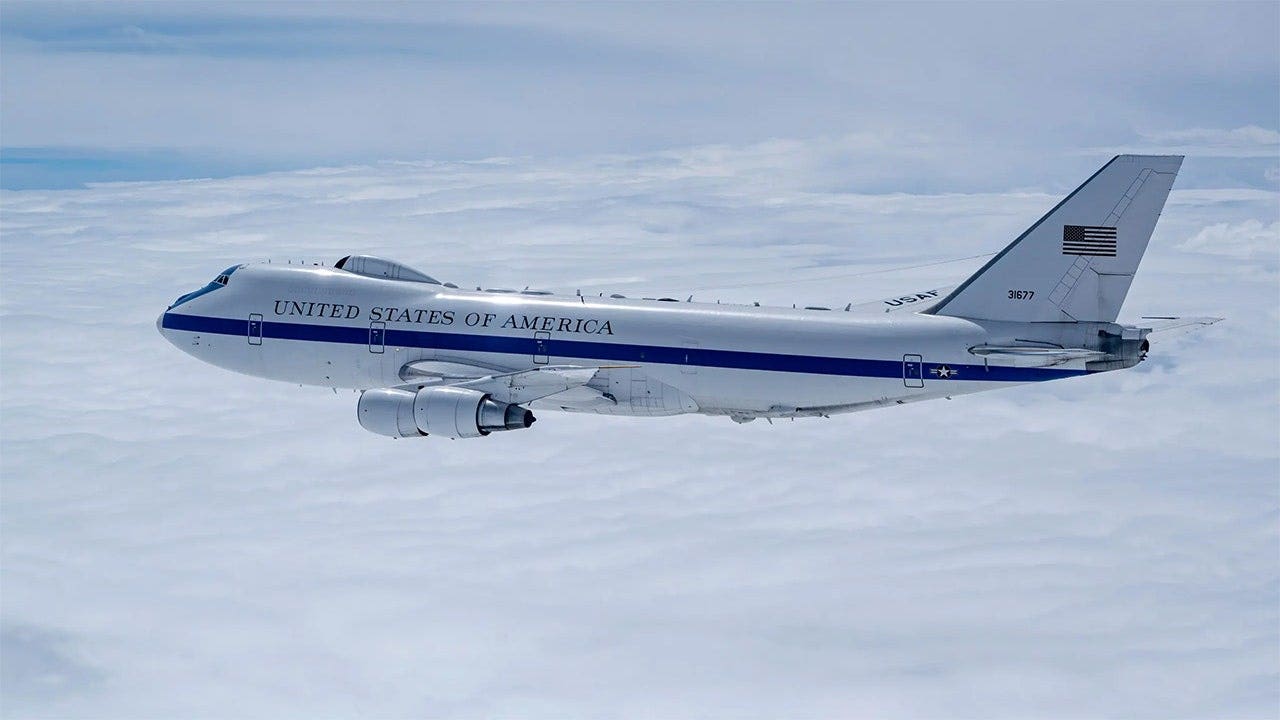
According to official documentation, the arrest occurred after investigators were alerted by witnesses regarding suspicious photography near the flight line. The individual, identified as a 21-year-old Chinese national, was detained while attempting to depart the country, days after warrants were issued pertaining to the unauthorized collection of imagery from the restricted area. The nature of the photographed assets included high-value reconnaissance and command planes known for their strategic capabilities.
Significance of Restricted Access
The case underscores strict regulations regarding the photographic documentation of defense installations. Such facilities house some of the nation’s most advanced and critical military hardware, making access and photography strictly controlled under federal law. The activity suggests a clear violation of established protocols designed to safeguard national defense information and technology.
The scope of the alleged activity extends beyond casual observation; investigators claim the individual had planned to target additional sensitive military installations. The details suggest a deliberate pattern of unauthorized surveillance and documentation, leading to federal intervention.
Context of Military Documentation
The military aircraft in question represent advanced aerial platforms essential for command, control, and intelligence gathering. These systems are vital to modern defense strategies, providing long-range surveillance and communication capabilities. The sheer sensitivity of these assets elevates any unauthorized photography attempt to a matter of national security concern, warranting immediate and decisive enforcement action from federal agencies.
The documentation indicates that the individual reportedly utilized public resources, including dedicated amateur aviation photography websites, to pinpoint specific locations for his unauthorized photographic endeavors. This suggests a level of premeditation beyond chance observation, further solidifying the basis for federal charges related to violating defense photography statutes.
About the Author