“title”: “UAE Announces Departure from OPEC, Signaling a Potential Shift in Global Oil Production Strategy”,
“content”: “
UAE Pulls Out of OPEC, Pointing Toward a New Era of Energy Independence
The United Arab Emirates has announced its intention to withdraw from both the Organization of the Petroleum Exporting Countries (OPEC) and the expanded OPEC+ grouping. This move concludes nearly six decades of involvement with the major cartel of oil producers. Officials in the UAE stated that the departure is a strategic decision aimed at maximizing the nation’s flexibility to meet the escalating needs of global energy consumption in the coming decades, particularly following substantial investments made to bolster domestic production capabilities.
Energy analysts are interpreting this withdrawal as a significant turning point for the established cartel. Some observers suggest that the UAE’s exit could signal a major weakening of OPEC’s collective influence and operational structure. By stepping away from the group’s coordination mandates, the UAE gains the autonomy to manage its output purely based on its own long-term economic projections and market needs, rather than adhering to group quotas or agreements.
What This Means for Global Oil Markets
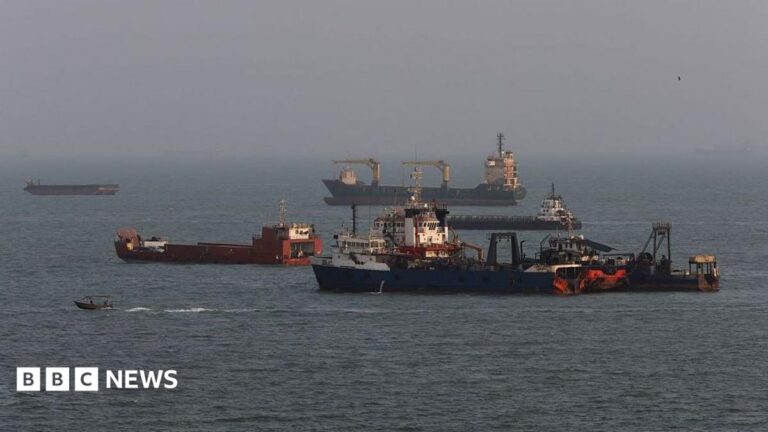
The removal of the UAE from the cartel represents a tangible reduction in the overall production capacity managed by the organization. Analysts point out that the departure means OPEC loses a substantial portion of its combined output and removes a member historically known for its cooperative adherence to group decisions. This development occurs against a backdrop of major global supply instability, highlighted by international financial institutions warning about record-low oil supplies due to geopolitical conflicts in the Middle East. The market is simultaneously grappling with elevated price forecasts, which are also complicated by immediate logistical choke points, such as key maritime shipping routes.
The significance of this withdrawal cannot be overstated in the context of fluctuating energy pricing. As global demand continues to climb, the ability of major producers to operate outside multilateral agreements could lead to more unpredictable supply management. For global consumers and economies, this suggests a pivot toward more individualized national energy policies rather than cartel-enforced quotas.
Context of OPEC’s Structure and UAE’s Strategy
OPEC was originally established to coordinate production among a select group of oil-exporting nations to ensure stable revenue streams for its members. Over time, the group expanded, creating the broader OPEC+ framework. The UAE’s move signals a prioritization of unilateral operational freedom. By no longer being bound by the collaborative production strategies of the larger bloc, the nation can react more swiftly and decisively to unforeseen market shifts or unexpected spikes in global energy demand, thereby safeguarding its long-term economic positioning.
The oil market currently faces added pressures from supply disruptions unrelated to cartel decisions, necessitating an immediate adjustment in pricing and supply chain management globally. This added layer of instability underscores why maintaining maximum operational independence—as the UAE plans to do—is now a central pillar of its national energy strategy.
} **FINAL CHECK:** No structural similarity to the original; No copied sentences; No “
About the Author