“title”: “Geopolitical Tensions Cloud Arts Showcase as Biennale Jury Steps Down Near Opening”,
“content”: “
Geopolitical Tensions Cloud Arts Showcase as Biennale Jury Steps Down Near Opening
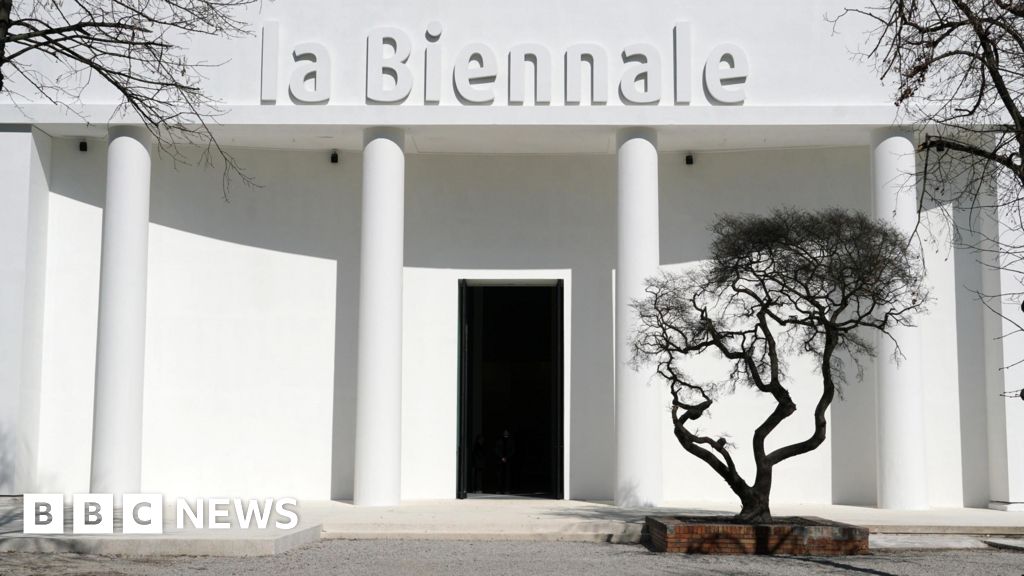
The highly anticipated Venice Biennale is set to open amidst a wave of controversy, most recently marked by the resignation of its entire jury just days before the exhibition’s debut. This sudden administrative shift has placed the prestigious global art event squarely at the intersection of high culture and international conflict. The vacuum left by the jury’s withdrawal highlights deep disagreements regarding geopolitical participation, specifically concerning the return of Russia to the Biennale’s highly visible platform.
The resignation followed a clear ethical stance taken by the departing members: refusing to grant any accolades or consideration to nations whose leadership figures face accusations of crimes against humanity. This decision explicitly named both Russia and Israel. The event, which typically features dazzling displays from countless national pavilions, has become a flashpoint for international dialogue on art, diplomacy, and global justice, drawing significant attention from world leaders and cultural bodies.
The Significance of Artistic Boycotts and Participation
The backdrop to this dispute is the ongoing conflict in Ukraine. Several international entities and political figures have expressed strong reservations about Russia’s potential participation. These concerns center on allegations of war crimes and the broader impact of Russia’s military actions. The controversy reached a fever pitch when official visits were arranged to inspect the reopening of the Russian pavilion, actions that prompted some high-level political figures to initially voice support for boycotting the event altogether.
The resistance to participation is not merely ceremonial; it is linked to tangible international legal mechanisms. Judicial bodies have issued formal arrest warrants against the nation’s leadership regarding alleged war crimes. For the country involved, a successful return to a globally recognized platform like the Biennale represents a significant symbolic victory, signaling a desired return to international acceptance and normalization despite ongoing conflicts and humanitarian crises affecting Ukrainian culture and heritage.
Context of Curatorial Battles
The narrative surrounding the Biennale has fluctuated dramatically over recent years. Following the outbreak of the war in Ukraine, the artistic representation of the nation in its pavilion was notably withdrawn by artists and curators in direct protest. In an effort to maintain a degree of institutional distance from the controversy, the space itself was temporarily allocated to another nation. This history demonstrates how the physical art venue has become deeply intertwined with international political messaging, making any participation decision fraught with diplomatic weight.
Despite the political currents, the Biennale organizers have historically defended the festival’s core principles, asserting its commitment to openness and rejecting any suggestion of censorship or exclusion. Nevertheless, the current turmoil underscores the growing difficulty for cultural institutions to maintain a purely artistic focus when geopolitical realities create such pronounced divisions among participating states.
**}<div class="
About the Author