A Study in Contrasts: El Salvador’s Transformation Under Nayib Bukele
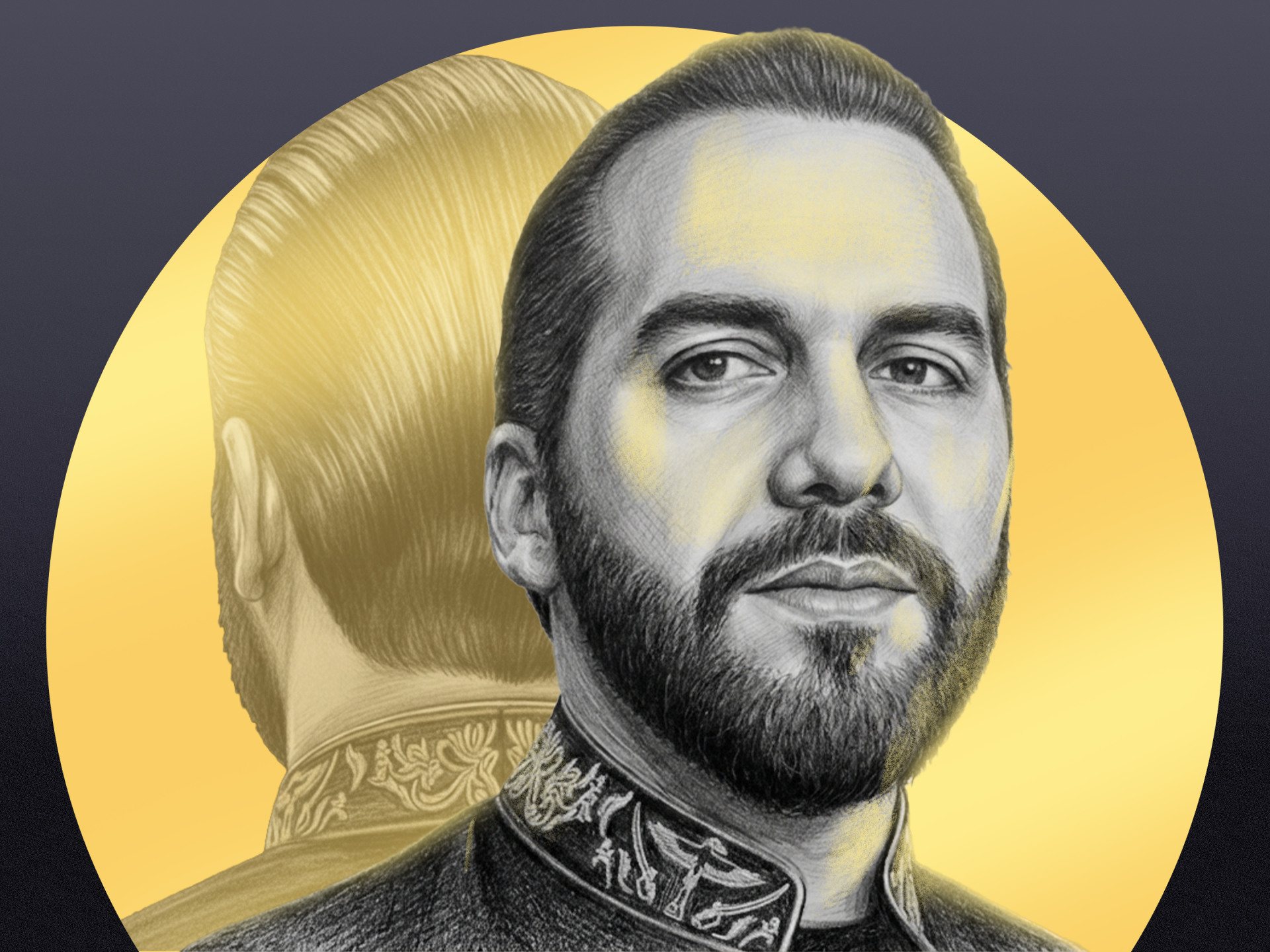
El Salvador, once notorious for possessing one of the highest crime rates in the Western Hemisphere, has undergone a dramatic shift in public safety metrics. At the center of this transformation is President Nayib Bukele, a leader whose governance style has generated intense international scrutiny. His methods have included instituting a state of emergency that fundamentally curtailed numerous constitutional rights. Authorities initiated sweeping detentions, leading to one of the world’s highest recorded rates of incarceration. This decisive action, while alarming to human rights observers, has coincided with a notable decrease in street crime, leading many citizens to express profound relief and support for the current administration’s approach.
The narrative surrounding Bukele’s rule is deeply polarized. On one side, critics point to the extensive detentions, the suspension of civil liberties, and the mass arrests—some of which have been questioned regarding due process—suggesting a move toward an authoritarian system. On the other hand, substantial segments of the population report a tangible improvement in daily life. Areas once characterized by rampant violence and fear are now viewed as undergoing significant revitalization, with citizens noting a dramatic restoration of personal freedom and peace that contrasts sharply with the prior environment.
The Implications of Unprecedented Security Measures
The scale of the government’s response to gang activity has been sweeping. Following periods of extreme violence, the government utilized emergency powers to round up an estimated number of alleged gang affiliates. This intense security posture has established unprecedented levels of state control. While supporters cite the return to order and the reduction of fear as primary achievements, international advocacy groups have raised serious alarms regarding the erosion of civil liberties. Concerns have been voiced that the extensive detention policies might constitute grave violations of human rights and potentially verge on crimes against humanity.
Further fueling the debate is the political structure itself. Bukele has overseen changes that have ended presidential term limits, allowing him to potentially remain in power indefinitely. This consolidation of authority contrasts with his domestic success in quelling gang violence. Reports indicate that while the government maintains a narrative of solving the core security problem, there are also concerning instances involving the detention or intimidation of journalists and civil society members, suggesting that the scope of state authority extends beyond just combating organized crime.
Context: A Nation Searching for Stability
To understand the deep public backing for the current administration, one must consider the backdrop of profound social upheaval. El Salvador has endured decades marked by intense gang conflict and instability, creating a deep-seated collective trauma regarding personal safety. For many who experienced this era of lawlessness, the tangible improvement in street security outweighs constitutional concerns regarding government overreach. The public sentiment, reflected in high approval ratings, suggests a deep societal yearning for an end to pervasive violence, making the government’s firm—though controversial—grip on security deeply resonant with a significant portion of the electorate. The country remains in a delicate balance between civic freedom and the promise of sustained peace.
About the Author