Cuba Signals Diplomatic Opening with US, Prioritizing Relief from Energy Restrictions
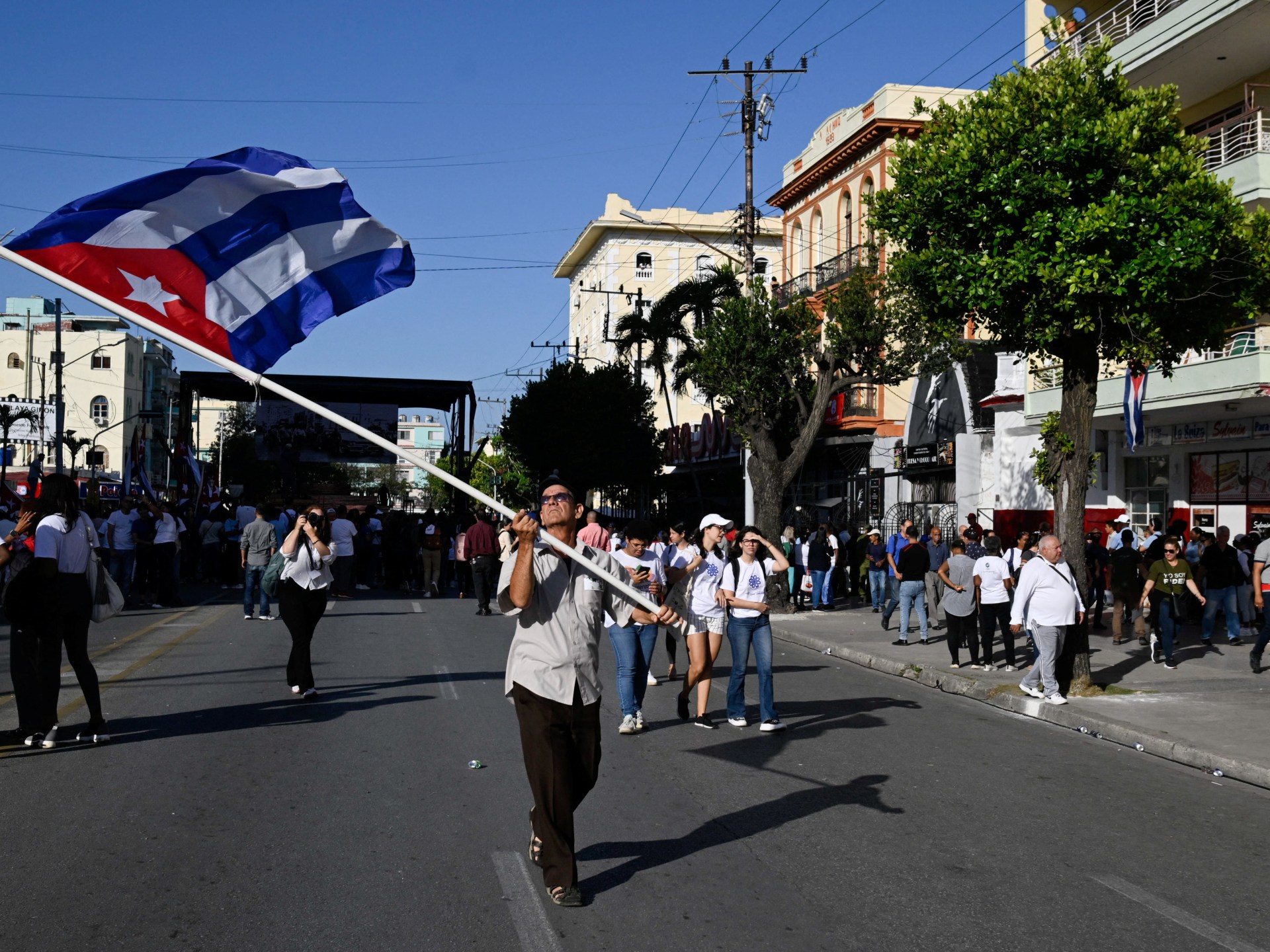
Recent high-level discussions between Cuban government representatives and U.S. officials suggest a renewed, albeit cautious, effort toward diplomatic engagement. Sources indicate that the exchanges held in Havana were characterized by a professional tenor, with Cuban authorities asserting that the dialogue remained free from threats or ultimatums. These talks represented a notable diplomatic step, marking the return of American diplomats to the island after a significant gap, suggesting a desire from both sides to navigate persistent geopolitical tensions.
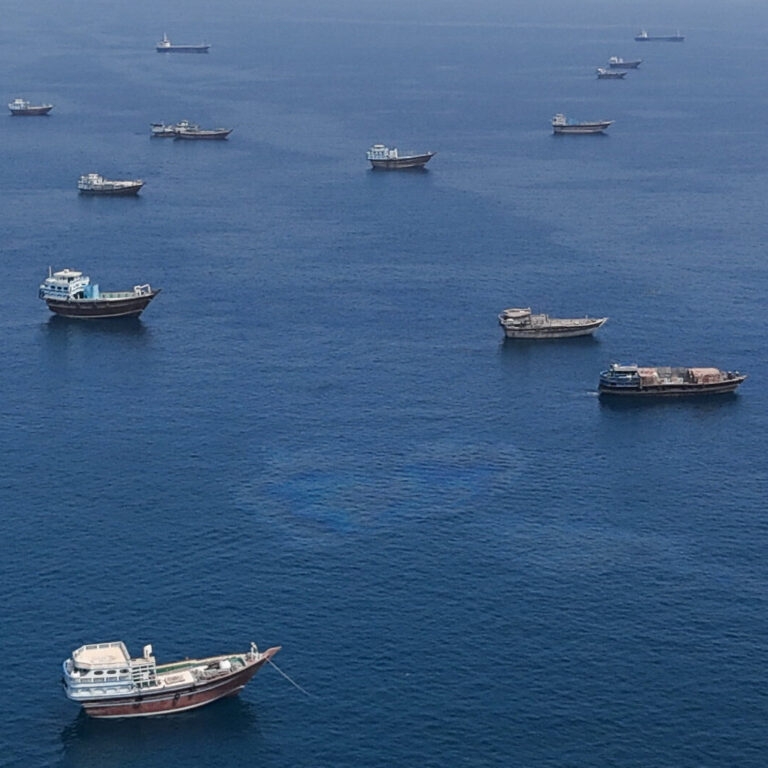
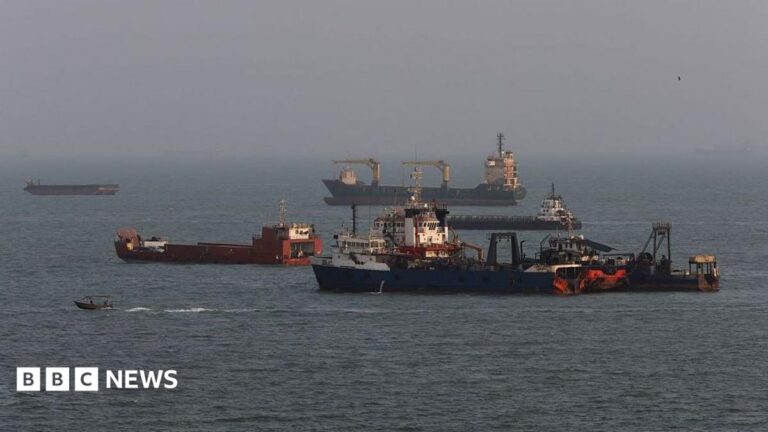
A central focus emerging from these discussions is the immediate cessation of the long-standing restrictions on energy supplies to Cuba. Cuban representatives emphasized that lifting the existing oil blockade is a paramount objective for the nation. They characterized the continuing economic pressures and trade limitations imposed by Washington as an unwarranted punitive measure, arguing that such actions constitute economic coercion against the Cuban populace.
The broader context of the talks reveals underlying disagreements over fundamental principles of state sovereignty and commerce. Cuban officials have framed the blockades as attempts at global economic leverage, suggesting that international free trade rights should govern the export of essential goods, such as fuel, regardless of political disagreements. These discussions underscore the ongoing struggle between Washington’s policy objectives and Cuba’s demand for normalized, equitable international trade relations.
Significance and Impact: Shifting Diplomatic Focus
The confirmation of substantive talks signals a potential pivot away from purely confrontational posturing. If sustained, these dialogues could create space for incremental agreements, particularly concerning energy imports, which have severely aggravated Cuba’s economic stability. For the island, any easing of these energy restrictions would be transformative, potentially mitigating severe short-term humanitarian risks. Furthermore, the engagement on broader issues—such as economic liberalization, the release of political detainees, and the management of historical assets—indicates that the conversation is encompassing deep, systemic changes rather than just superficial diplomatic exchanges.
Background and Context: The Persistent Strain
Historically, the relationship between Cuba and the United States has been marked by severe political and economic friction, significantly impacting Caribbean trade routes. The ongoing energy shortage is not merely a logistical issue but a major contributor to national instability, leading to warnings of systemic humanitarian crises. Reports regarding the negotiations also touched upon several demanding preconditions put forward by the U.S. side, including calls for greater political openness and the integration of modern global connectivity solutions. These contrasting sets of demands—one centered on lifting sanctions and promoting free trade, the other focused on internal reforms—define the complex and challenging roadmap ahead for the bilateral relationship.
About the Author