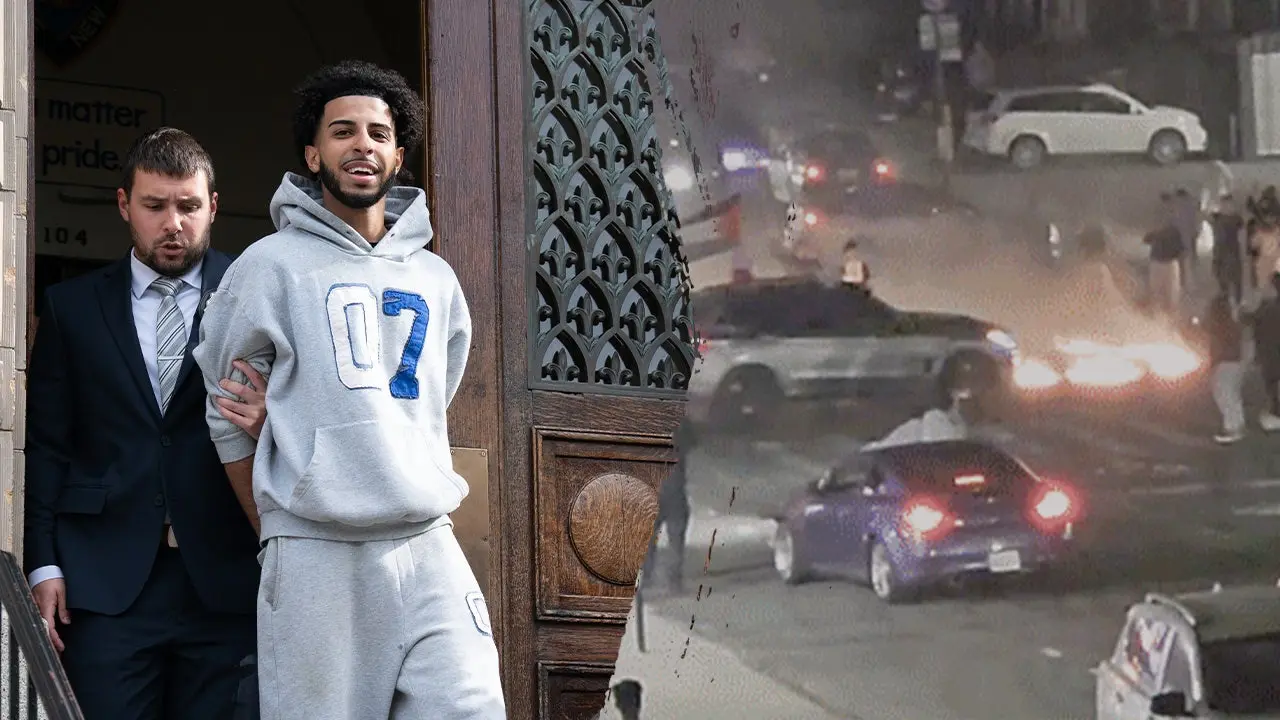
Community Safety Imperative: Law Enforcement Targets High-Speed Street Racing After Queens Incident
Following an incident in Queens that featured dozens of vehicles engaging in reckless, high-speed street racing, authorities have taken action against an individual allegedly involved in the chaotic event. The investigation focused on a massive vehicular gathering that reportedly involved over one hundred cars, transforming a local area into a dangerous racetrack. Law enforcement actions underscored the gravity of the disruption, leading to the arrest of a suspect on charges related to dangerous public conduct.
The charges filed stem from reported actions that occurred near multiple gas stations on April 18th. The arrested individual has been formally accused of reckless endangerment and rioting. Official statements accompanying the charges emphasized that the level of destructive, fast-paced driving demonstrated poses a significant threat to public safety. The arrest marked a visible response to community concerns regarding escalating instances of dangerous street behaviors.
The public response to such events has been one of growing frustration with the apparent lack of accountability for vehicular misconduct. Those overseeing public safety have publicly called for stronger measures, asserting that the severity of the actions warrants firm consequences within the legal framework to deter future incidents.
The Broader Implications of Reckless Driving in Urban Centers
This enforcement action brings into sharp focus the persistent challenge of managing high-risk, unsanctioned public gatherings involving motorized vehicles. When street racing takes place, it moves beyond a simple traffic violation; it becomes a public safety crisis that jeopardizes bystanders, property, and the general flow of urban life. The legal charges applied to the suspect reflect the breadth of this threat, encompassing not just the physical risk but also the disruption to public order.
For residents and law enforcement alike, the incident serves as a stark reminder that these activities are inherently volatile. They necessitate a substantial police response to secure the area and apprehend those responsible for orchestrating or participating in the uncontrolled chaos. The focus remains on ensuring that participants understand the severe legal repercussions associated with treating public roadways as their personal racetracks.
Context: Deterring Public Disorder Through Enforcement
The legal proceedings surrounding this case are framed by a broader sentiment advocating for stricter adherence to traffic laws and a greater deterrent effect from the criminal justice system. When incidents of this magnitude occur, the resulting investigation requires substantial resources and a visible commitment from local authorities. The subsequent arrests and charges are presented by officials as definitive steps intended to recalibrate expectations for public conduct, signaling that authorities will pursue accountability for large-scale disruptive activities in the future.
About the Author