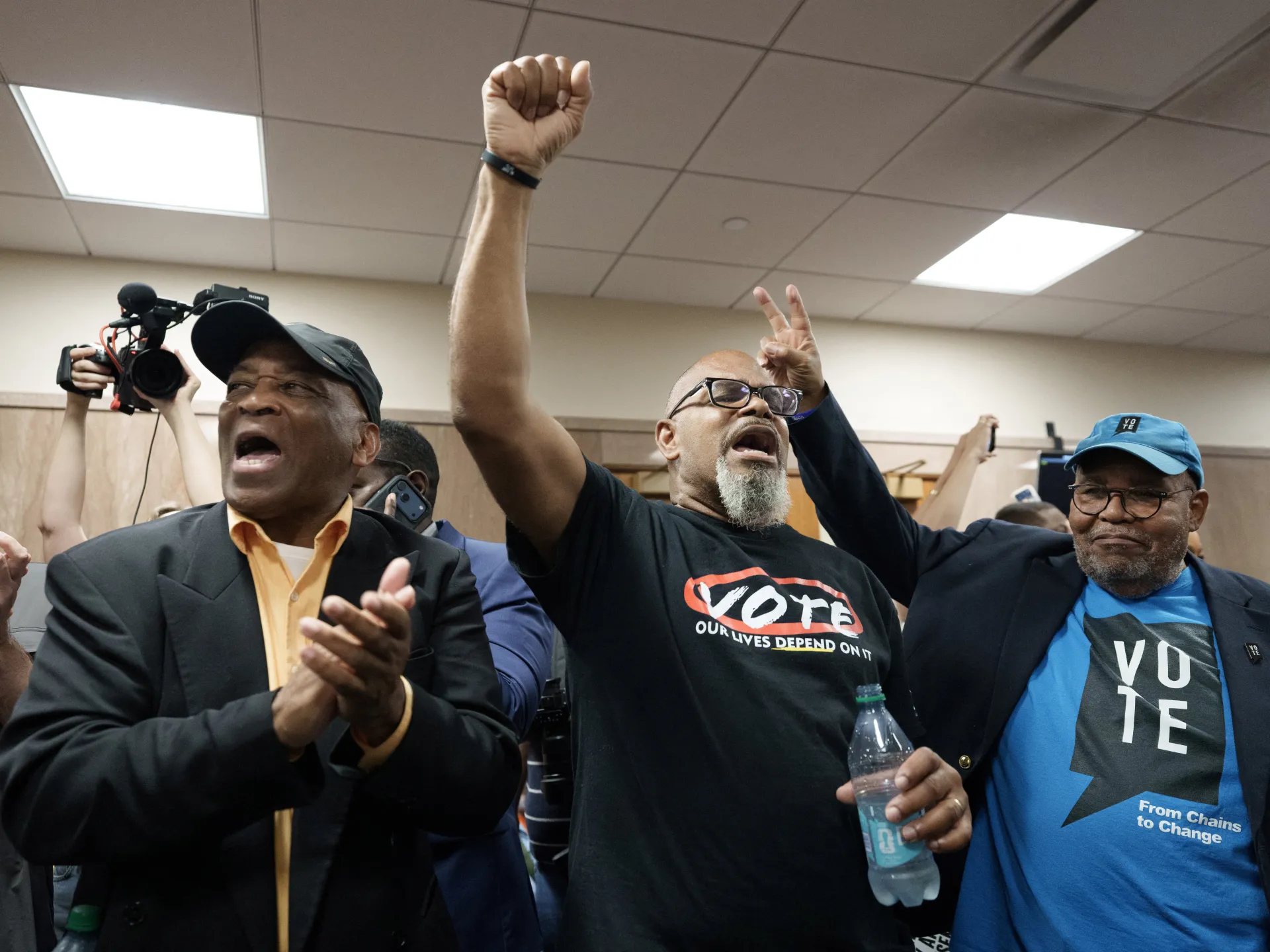
Advocacy Group Calls for Boycott of Southern Universities Over Voting Rights
A prominent civil rights organization has issued a directive urging Black athletes and supporters to withhold both financial and athletic support from numerous public universities across the Southern United States. This call to action stems from significant concerns regarding recent efforts to alter state voting boundaries, which activists argue are designed to diminish the political influence of Black citizens.
The campaign specifically targets several Southern states—including Alabama, Florida, Georgia, Louisiana, Mississippi, Texas, and South Carolina—that have either implemented or are planning to adjust their district maps. These changes come in the context of a major Supreme Court decision that curtailed a vital component of the national voting rights legislation, making it significantly harder for citizens to challenge district maps perceived as discriminatory.
The Significance of the Boycott
The reasoning behind the appeal suggests a deep conflict between economic contributions and civil rights. According to statements from leaders within the civil rights movement, Black athletes have been instrumental in building some of the most lucrative collegiate athletic programs in the nation’s South. These institutions generate massive revenues through ticket sales, national broadcasting rights, merchandise, and donations. The core argument posits that it is unjust for these athletic programs, which build wealth for state bodies, to continue operating in states actively diminishing the fundamental political power of Black communities.
The economic ties are significant, with these programs contributing hundreds of millions of dollars annually to various state systems. Opponents of the boycotts argue that such boycotts could materially affect major collegiate sports conferences that anchor much of the region’s athletic economy.
Broader Context of Political Shifts
The current push for redistricting is viewed by advocates not as standard administrative procedure, but as a coordinated effort to weaken minority representation following the curtailment of federal protections. The initial Supreme Court ruling amplified the ability of state legislatures to draw maps that could dilute the voting strength of specific demographic groups. Furthermore, political anticipation remains high, as the upcoming midterm elections are expected to determine control over federal legislative bodies, potentially fueling further map redrawals in the near future.
This situation frames a direct tension between the burgeoning financial power of historically Black athletic talent and the retreat of federal safeguards protecting voting equality. The advisory calls for a unified withdrawal of support to put pressure on state governments to revise their electoral map-drawing practices in alignment with democratic representation.
About the Author




