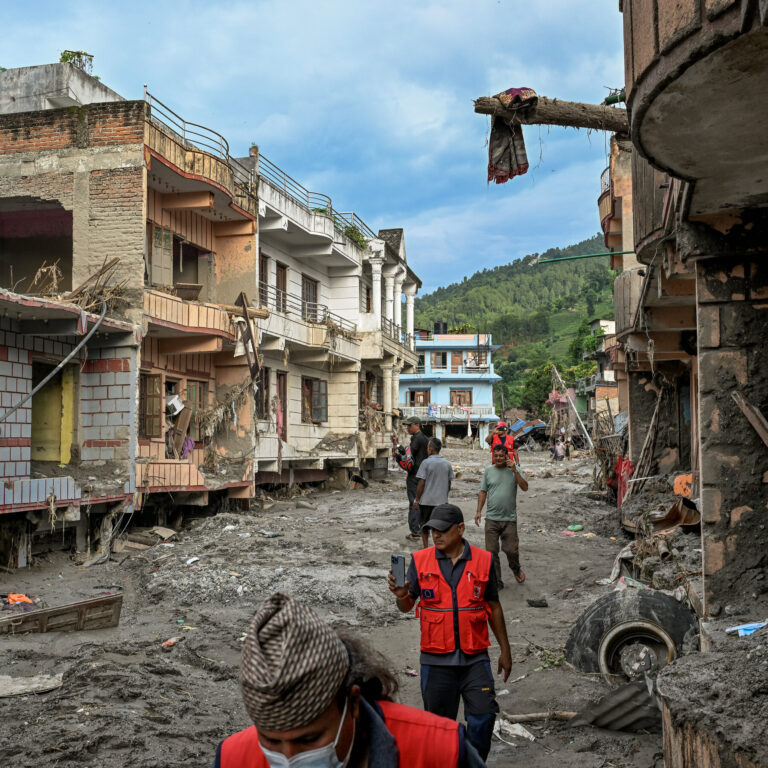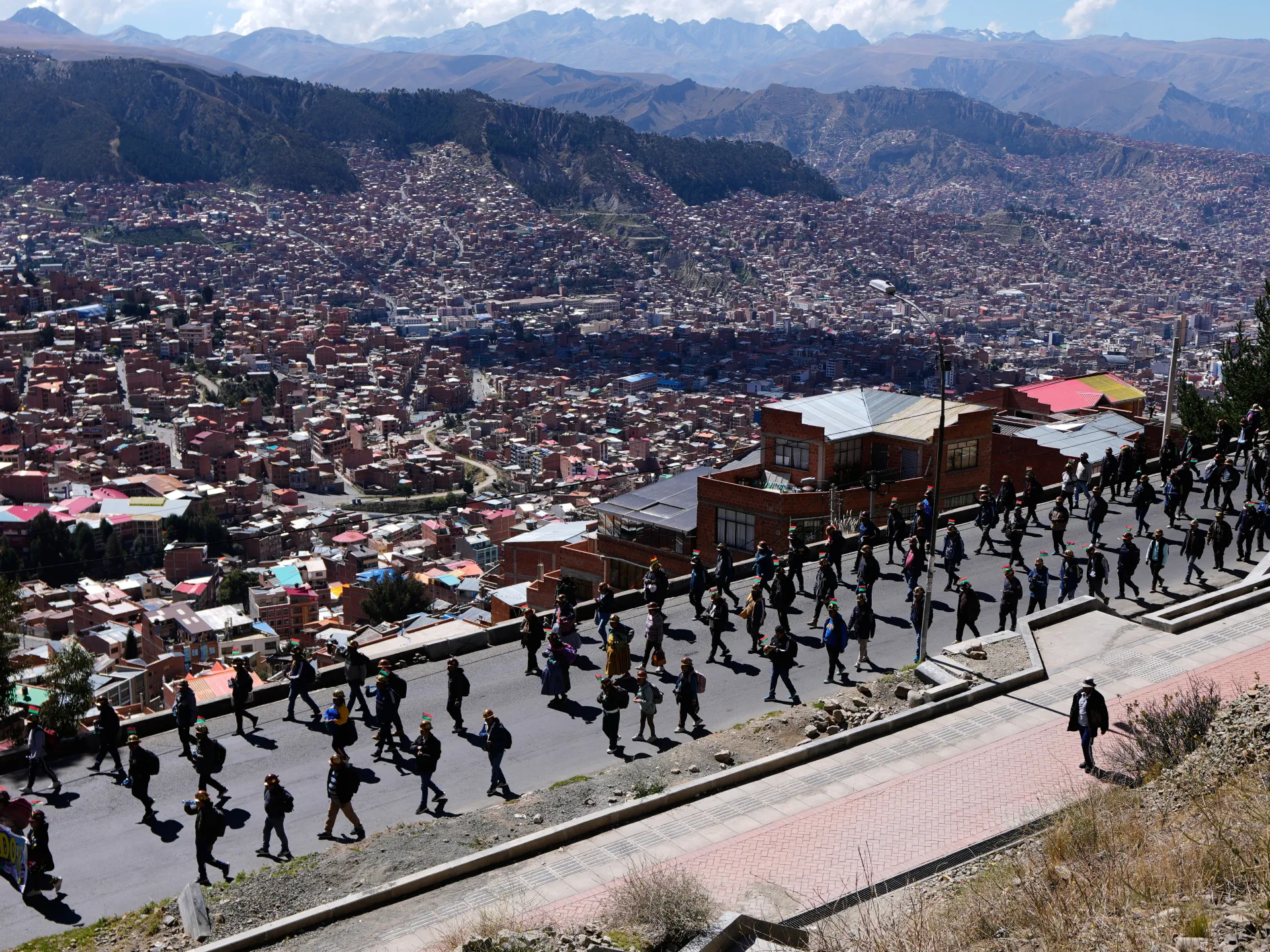
As the Bolivian economy grapples with what observers describe as its most severe downturn in four decades, public discontent has reached a boiling point. Large-scale demonstrations are sweeping across major urban centers, with activists and citizens taking to the streets to voice deep dissatisfaction with the nation’s current leadership. The core of the nationwide unrest is a profound sense of economic hardship, compelling a broad segment of the populace to demand significant political change, including the resignation of the sitting president.
These demonstrations represent more than just sporadic outbursts of anger; they signal a deep-seated erosion of public faith in the current economic management and governance structures. The visible mobilization of thousands underscores the scale of the crisis, transforming localized complaints into a major national political event. The persistent nature of the protests suggests that the underlying causes—which are fundamentally tied to poverty, inflation, and economic stagnation—remain unaddressed by current policies.
The Broader Implications of Economic Instability
The widespread calls for regime change highlight a critical juncture for Bolivian governance. When economic pain translates into massive civil unrest, it signals a breakdown in the social contract between the state and its citizens. The immediate challenge facing policymakers is not merely to quell the unrest, but to articulate a credible, actionable, and popularly accepted path toward economic recovery. The sustained pressure from the streets demands policy solutions that address the real-life struggles of the average Bolivian household.
Contextualizing the Current Challenges
Historically, periods of intense civil mobilization in Bolivia have been correlated with significant shifts in political power and policy direction. The current atmosphere of protest builds upon lingering economic anxieties that have been simmering beneath the surface of the national dialogue. Analysts have pointed to several interconnected factors contributing to this volatile environment. These include commodity price fluctuations impacting state revenue, persistent inflationary pressures eroding purchasing power, and challenges in ensuring equitable distribution of national wealth across diverse regions and sectors.
These accumulated pressures have created an environment where the populace feels that incremental adjustments are insufficient. Instead, there is a pervasive sentiment that fundamental structural reforms are necessary to stabilize the economy and restore a sense of widespread opportunity. The sheer number of people taking part in the demonstrations serves as a potent indicator of the depth of the national yearning for a revised political and economic blueprint.
About the Author