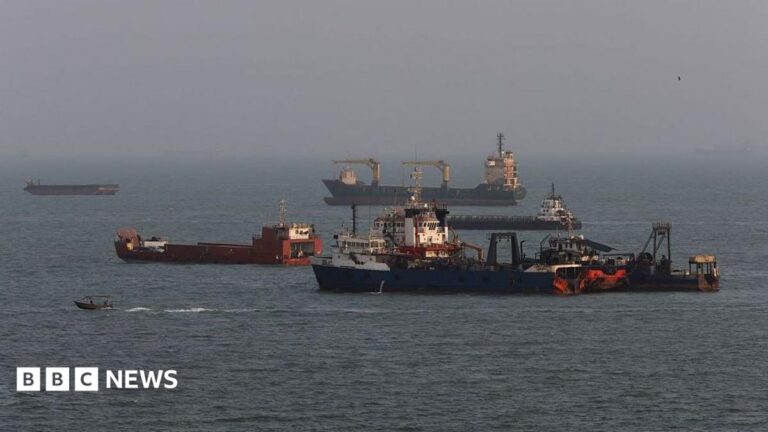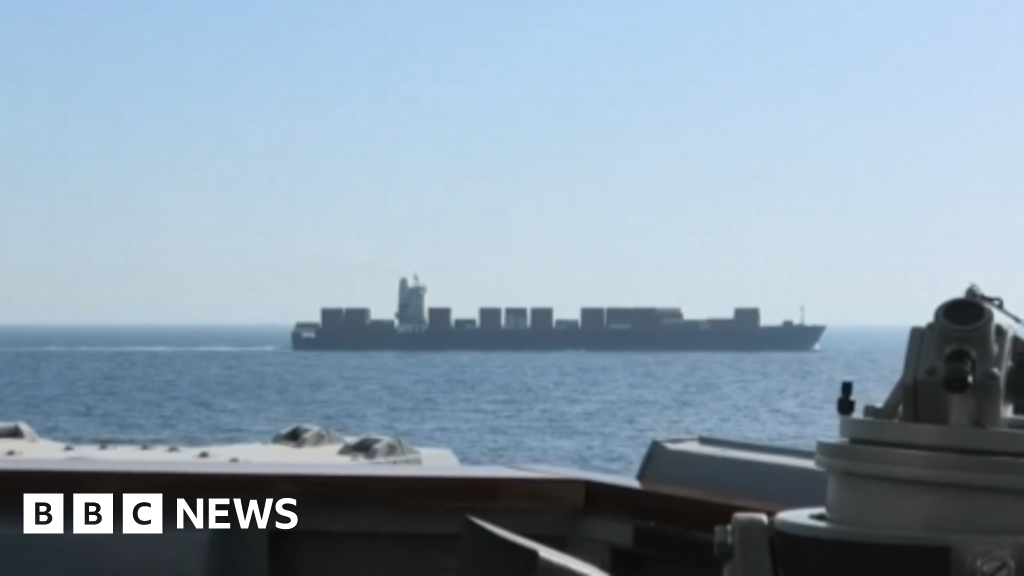
The United States has reportedly engaged in a naval interception involving a large, Iranian-flagged cargo vessel within the Gulf region, according to recent statements from high-ranking officials. The seizure occurred, according to reports, after the vessel allegedly disregarded multiple warnings to halt its movement. Authorities claimed that the action was taken as part of ongoing maritime restrictions. This incident has immediately raised tensions, with Tehran strongly condemning the event and characterizing the operation as an act of piracy that necessitates a reciprocal response.
Official statements indicate that the intercepted vessel, described as being substantial in size, was taken into U.S. custody. The rationale provided for the seizure included alleged historical compliance issues related to the ship's operations. In response to the detention, Iranian state media issued a formal denunciation. The statement asserted that the United States had violated established agreements by initiating hostilities against a civilian maritime asset in the waters of the Sea of Oman, further alleging the disabling of navigational equipment and the boarding of the vessel by naval personnel.
These developments surface while diplomatic efforts aimed at de-escalation appear to be underway. Reports suggested that discussions were scheduled regarding potential pathways to an end to the conflict. However, the immediate nature of the maritime confrontation and the resulting diplomatic posturing underscore the fragile state of relations in the region. The commitment to maintain the naval restrictions appears to be firm from the American side until a comprehensive agreement is reached between the involved parties.
This latest confrontation adds a new layer of volatility to an already tense geopolitical environment. The incident draws immediate focus to the ongoing pattern of military posturing and naval activity in vital international waterways. The conflicting narratives presented by both sides—one emphasizing enforcement of rules and sanctions, the other citing violations of established ceasefires—suggest a significant lack of alignment on maritime law and operational conduct in the area.
About the Author