Persistent Health Threats: Displacement Camps Grapple with Pests and Disease
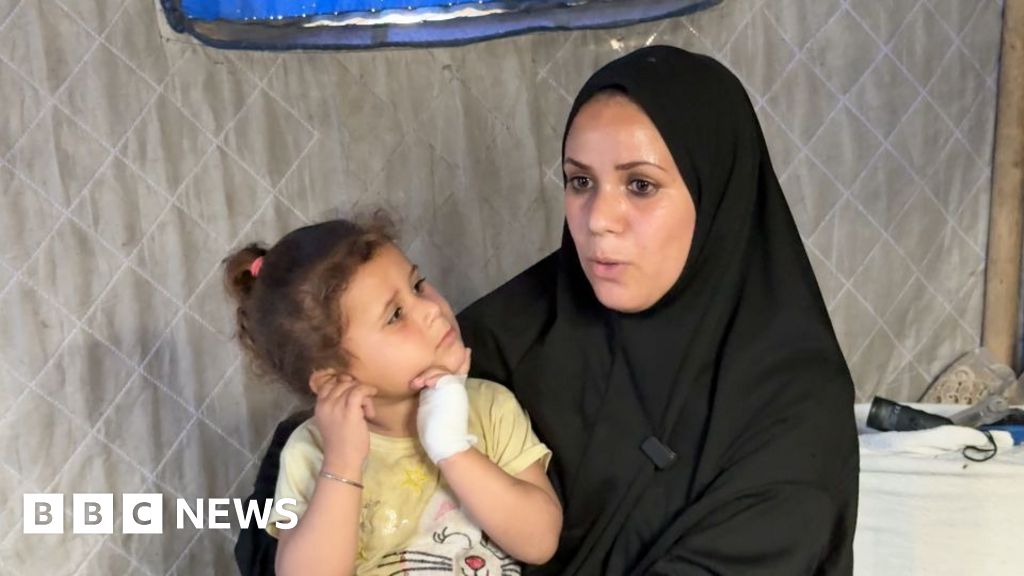
Life in the displaced persons’ shelters across Gaza continues to present harrowing challenges beyond the immediate conflict. A burgeoning public health crisis, driven significantly by rampant infestations of pests such as rats and weasels, is becoming a daily reality for residents. Survivors report harrowing encounters with these animals, describing instances where attacks have resulted in severe injuries, leaving families in a state of constant fear and vigilance.
Aid organizations are sounding the alarm over the deteriorating sanitation and hygiene conditions, noting that the living environment has reached a critical state. According to assessments, rodents and various pests are frequently sighted in the vast majority of settlements housing the displaced population—an area containing nearly 1.45 million people. These animals pose multifaceted dangers, ranging from direct physical attacks to the transmission of various illnesses through their waste and associated parasites.
The sheer scale of the unsanitary conditions has led to visible outbreaks of sickness among vulnerable groups. Beyond the risk of bites and scratches, the contamination of air and food sources by animal droppings and urine carries a high risk of respiratory ailments, skin infections, and acute gastrointestinal illnesses. Recovery efforts for the sick, including the critically vulnerable elderly and newborns, are being complicated by this ongoing environmental decay.
The Significance of Environmental Collapse
The presence of such widespread pests is not viewed as an isolated incident but rather as a predictable outcome of a complete collapse in basic public infrastructure. Experts point to the profound failure of sanitation systems as the primary driver of this escalating health emergency. The inability to manage waste and maintain clean living quarters has created an ideal breeding ground for disease vectors, placing the entire population at risk.
A Complex Humanitarian Picture
While international efforts have sought to stabilize the situation, improvements in the humanitarian landscape have proven elusive. Following initial attempts at a cessation of hostilities, the promised stabilization and relief have not materialized to the expected degree. The focus of aid efforts is increasingly being diverted to managing acute public health emergencies—such as tracking disease outbreaks and providing basic medical care—due to the sustained impact of environmental degradation. Efforts to address sanitation are ongoing, requiring coordinated international support to mitigate the widespread suffering among those who have been forced from their homes.
About the Author