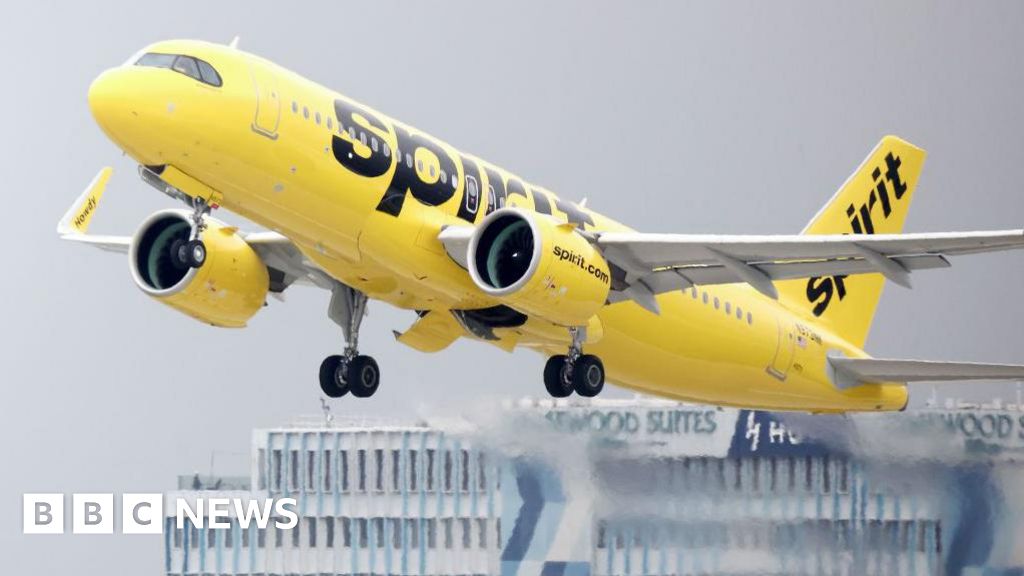
Spirit Airlines Ceases Operations Following Failure to Secure Major Government Lifeline
Spirit Airlines has announced the immediate winding down of its business operations after its efforts to secure a significant financial rescue from the federal government ultimately failed. The budget carrier had been engaged in high-level discussions with the administration, hoping to negotiate a substantial bailout package that would have averted an impending corporate collapse. However, when these critical talks dissolved, the airline confirmed its decision to cease all flights and systematically wind down its activities.
The financial distress facing the airline appears to be a culmination of multiple pressures. While the company had managed to emerge from a prior bankruptcy filing, subsequent economic shocks proved too overwhelming. Specifically, an unforeseen and dramatic escalation in jet fuel expenses pushed the carrier past its point of viability, signaling the end of its flying days.
What This Means for Customers and Operations
With the cessation of services, all upcoming itineraries scheduled with Spirit Airlines have been canceled. The airline issued guidelines regarding refunds, noting that customers who paid with traditional credit or debit cards would receive automatic reimbursements back to the original funding source. Passengers who made their bookings through intermediaries, such as travel agents, are advised to coordinate directly with that third party for processing their refunds. For those whose payments were made using alternative methods—including vouchers, airline points, or stored credits—the process for reimbursement will be managed later through the bankruptcy court proceedings. It is important to note that the carrier stated it would not be able to cover ancillary expenses, such as costs for emergency lodging or securing replacement travel arrangements for disrupted trips.
Underlying Economic Pressures
The core challenge facing Spirit was the unsustainable cost structure of modern air travel. Jet fuel expenses constitute a substantial portion of an airline’s total operating expenditures. Market disruptions, particularly those related to geopolitical tensions, have dramatically impacted commodity pricing. The cost of aviation fuel saw steep increases following recent regional conflicts, a rate of inflation so severe that industry analysts suggested it delivered the final, insurmountable blow to the company’s financial standing.
This situation underscores the volatile nature of the budget airline sector. When operational costs—like fuel—can surge unpredictably, even established carriers can find themselves unable to sustain necessary revenues. The failure to secure external financial backing highlights how acutely sensitive low-margin airlines are to drastic shifts in global supply chains and energy markets.
About the Author