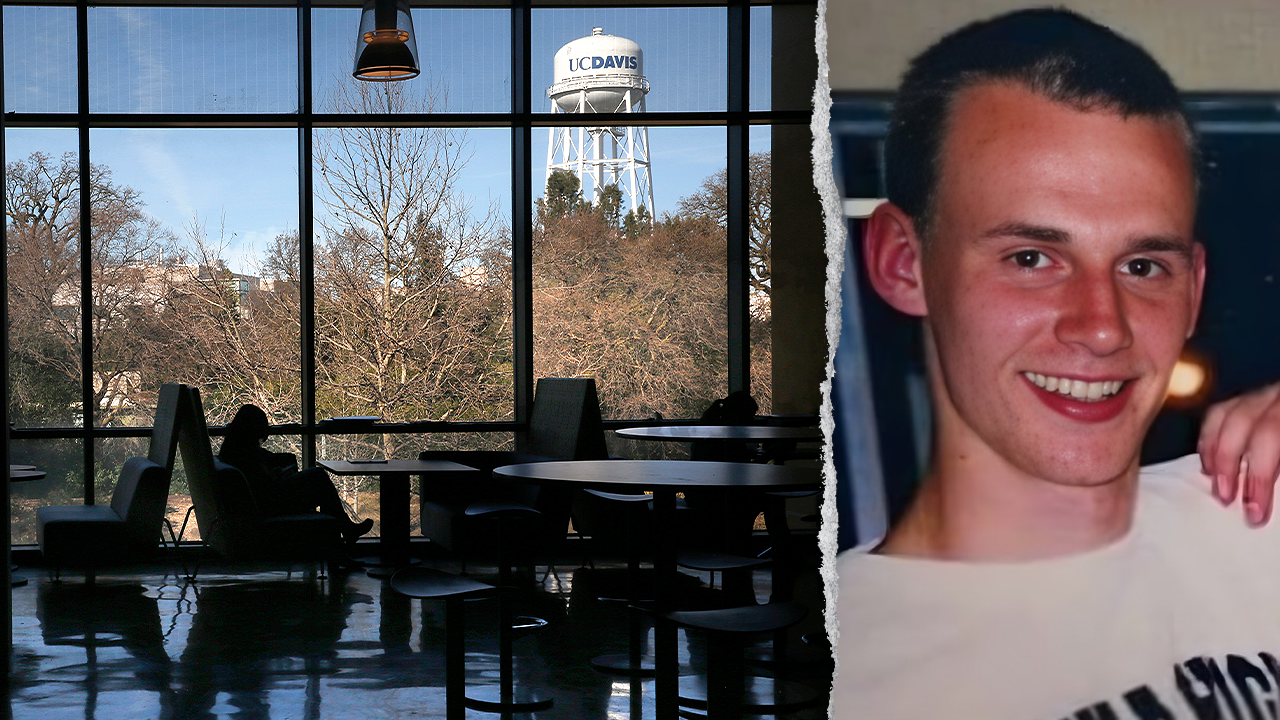
Cold Case Focus: Examining the Controversial Circumstances of a 2001 Student Death
A true crime podcast is bringing renewed attention to the decade-old death of Andrew Wieman, a student at UC Davis. His passing, which occurred in his fraternity dorm room in early 2001, remains a subject of significant public and family scrutiny. The official conclusion at the time was that the death was a suicide, a ruling based on a thorough investigation involving multiple local and state authorities. However, the family of the deceased continues to question the narrative and the thoroughness of the original inquiry.
The circumstances surrounding the incident were highly unusual. Wieman was discovered in his private room containing numerous stab wounds. While investigators reportedly pointed to evidence such as a note found at the scene and a weapon bearing the deceased’s prints, skepticism persists regarding the completeness of the evidence evaluation. The podcast aims to delve into the unanswered questions that have surrounded this case for decades, giving voice to the family’s long-standing pursuit of clarity.
The Core Dispute: Evidence Versus Family Belief
The initial investigation concluded with a suicide ruling, citing factors like the locked nature of the room, the secure windows, and the perceived lack of forced entry. Authorities had noted that the victim’s body appeared to lack defensive injuries, lending weight to the official determination. However, the family has consistently disagreed with this final verdict. They maintain that critical aspects of the case were potentially overlooked or misinterpreted during the initial, extensive investigation period.
The controversy centers on the potential conflict between the physical evidence presented and the family’s deeply held belief that alternative explanations for the violent nature of the injuries must be considered. These persistent doubts suggest that the details surrounding the discovery—specifically the number and nature of the stab wounds—remain points of contention in the public discussion.
Investigative Gaps and Lingering Doubt
The detailed account of the incident involved a comprehensive, joint effort between the university police, county coroners, and state justice departments. Nevertheless, the ongoing discussion indicates that key questions regarding the scene’s parameters and the totality of the evidence reviewed have never been fully resolved for those closest to the victim. The re-examination by the podcast format suggests a public appetite for revisiting complex cases where a definitive, universally accepted truth remains elusive.
For the community and the family, the reopening of this case represents more than just revisiting old facts; it embodies a desire for accountability and a complete understanding of the events that transpired within that locked room twenty-five years ago.
Significance and Impact
The sustained interest in this case highlights a recurring theme in true crime reporting: the difficulty in reaching absolute closure, even when official pronouncements have been made. When official findings are strongly contested by grieving families, it often forces a public re-evaluation of police procedures and the interpretation of physical evidence. This particular case underscores the emotional weight placed on forensic science, where an official ruling must contend with deep personal belief and unresolved family narratives.
Context of the Case
In general, cases involving violent death in confined spaces often generate immediate, intense scrutiny regarding the means of entry, the source of the weapon, and the potential involvement of unseen actors. The combination of the high body count of injuries and the seemingly isolated scene makes this case particularly compelling for investigation and discussion years later.
About the Author