Increased Tremors Highlight Ongoing Volcanic Activity on Hawaii’s Big Island
Hawaii’s Big Island has experienced heightened seismic activity recently, with a noticeable magnitude 6.0 earthquake registering near the coast. This significant tremor occurred while monitoring of the island’s active volcanic features, particularly Kilauea, remained a primary focus for geological experts. The location and nature of the earthquake suggest underlying geological stresses affecting the region.
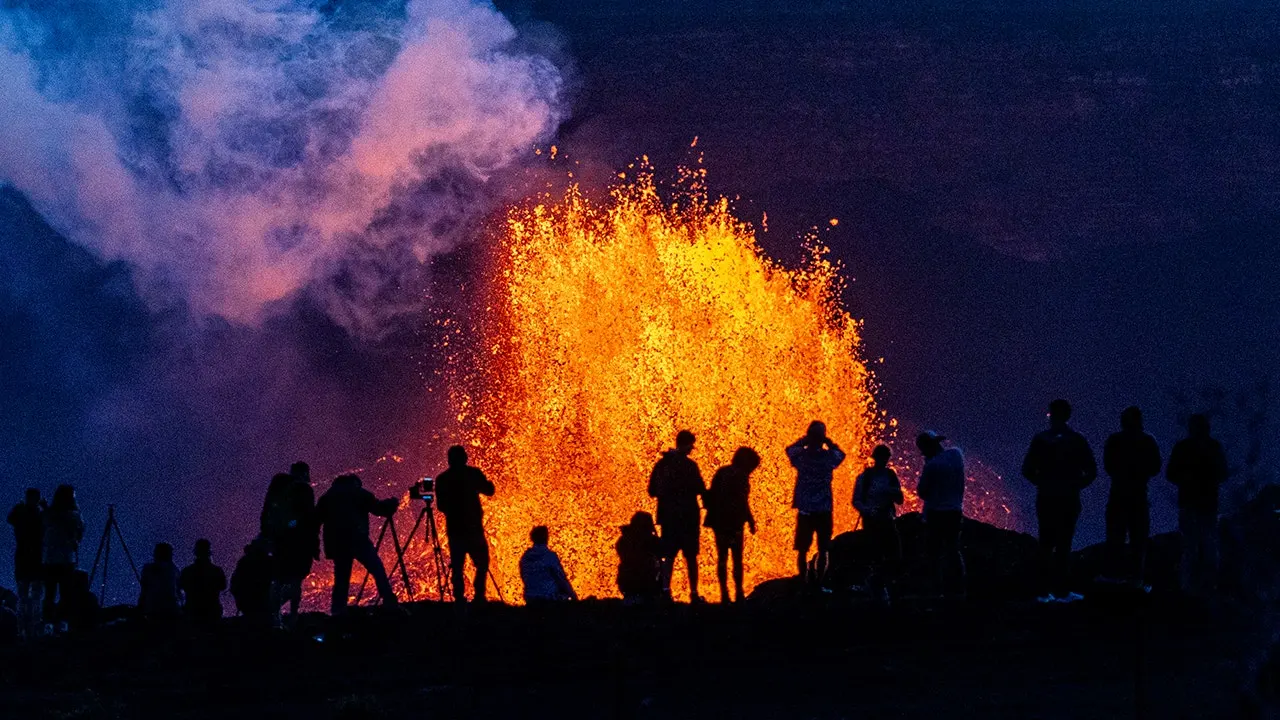
While the recent shaking was not directly linked to the expected eruptive cycle of Kilauea, the entire area remains under careful observation. Scientists continue to anticipate further volcanic unrest from Kilauea in the coming days, following a period marked by previous surface activity throughout the month. The convergence of a sizable seismic event with persistent volcanic monitoring underscores the dynamic geological nature of the island.
Understanding the Geological Backdrop
Geological assessments suggest that the observed shaking results from tectonic forces, specifically the bending stress placed upon the oceanic plate due to the substantial mass of the Hawaiian landmass itself. This points to the continuous, powerful interactions between the Pacific Plate and the underlying magma systems that characterize the entire Hawaiian chain.
What This Means for Residents and Preparedness
For the local population, the main takeaway is the necessity of heightened preparedness. The strong shaking felt by numerous residents prompted widespread reporting to monitoring agencies. Although official statements have separated the recent earthquake’s cause from the volcano’s eruptive cycle, the combined events necessitate that residents remain aware of natural warning signals. Continuous monitoring by geological surveys is in place to provide timely updates on both seismic trends and any potential shifts in volcanic behavior.
Context of Volcanic Cycles
The monitoring efforts are part of an ongoing process tied to Kilauea’s predictable but variable cycle of unrest. Volcanic activity on the island is not an isolated event but part of a larger, enduring geological process. Experts track these systems closely, anticipating periods of increased degassing, ground deformation, or, ultimately, renewed eruptions. This consistent attention by scientific bodies reflects the island’s status as a highly active geological zone requiring constant vigilance.
About the Author