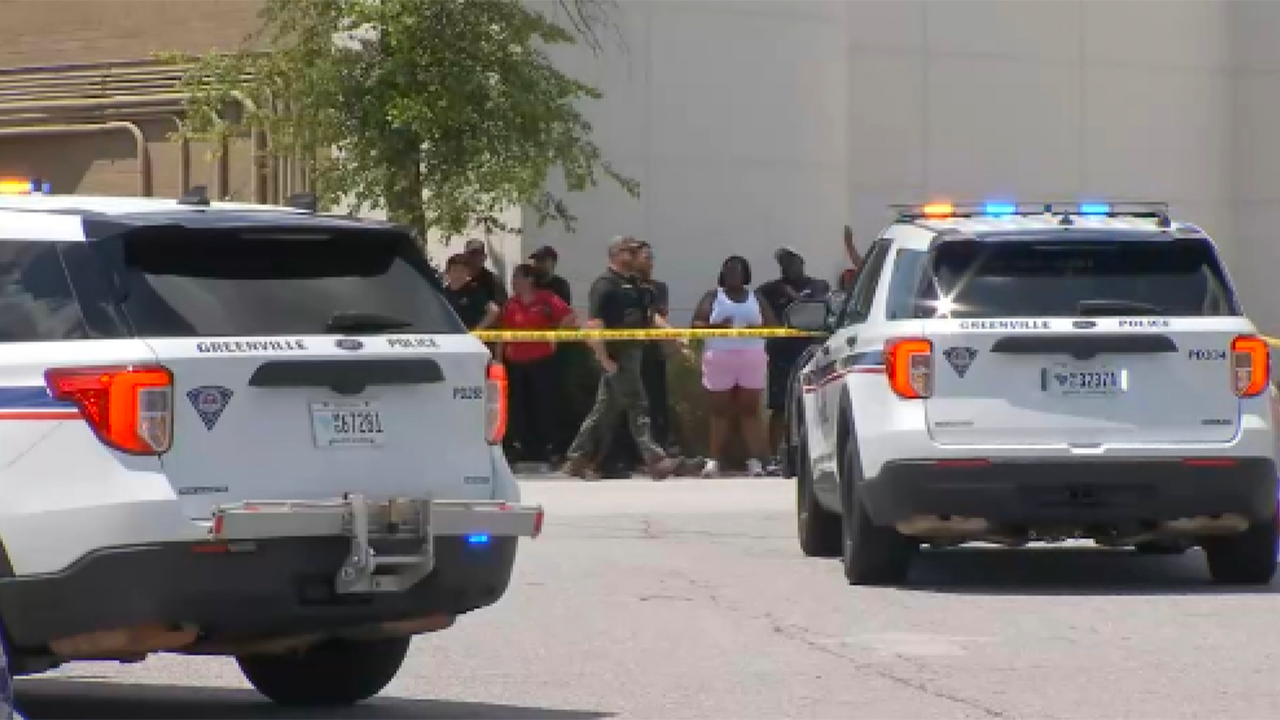
A significant law enforcement operation took place Saturday afternoon after gunfire erupted at the prominent shopping center in Greenville, South Carolina. The volatile incident resulted in several individuals sustaining injuries, necessitating transport to local medical facilities. Authorities swiftly responded to secure the area, deploying multiple units to manage the scene and ensure public safety.
While the immediate danger to the general public was deemed contained, the aftermath prompted a substantial disruption. The mall complex was temporarily shuttered, and emergency services worked for several hours to stabilize the environment. Initial reports confirmed the detention of multiple individuals connected to the shooting, indicating a large-scale police response to contain the situation.
The operational aftermath required significant coordination between several municipal services. Emergency personnel managed the evacuation procedures, ensuring that the surrounding community remained safe while investigators worked to fully process the site. The public transit system stepped in to assist displaced patrons, providing necessary temporary accommodations in the wake of the chaos.
What This Means:
The incident underscores the immediate shift in local resource allocation following a critical public safety event. The closure of a major commercial hub like this will have ripple effects on the local economy and daily routines until the investigation is fully concluded and the area is cleared for reopening. The scale of the police response and the subsequent area lockdown suggest the event was treated with extreme seriousness by local law enforcement agencies.
Background / Context:
Such large-scale disruptions at major public venues often trigger complex jurisdictional responses, requiring coordination among city police, fire services, and medical units. The immediate focus following any such event is not only managing the injured but also securing the perimeter to allow for thorough criminal investigation. The temporary suspension of services, including public transport adjustments, reflects the necessary measures taken to prioritize safety and evidence preservation over normal commercial activity.
About the Author