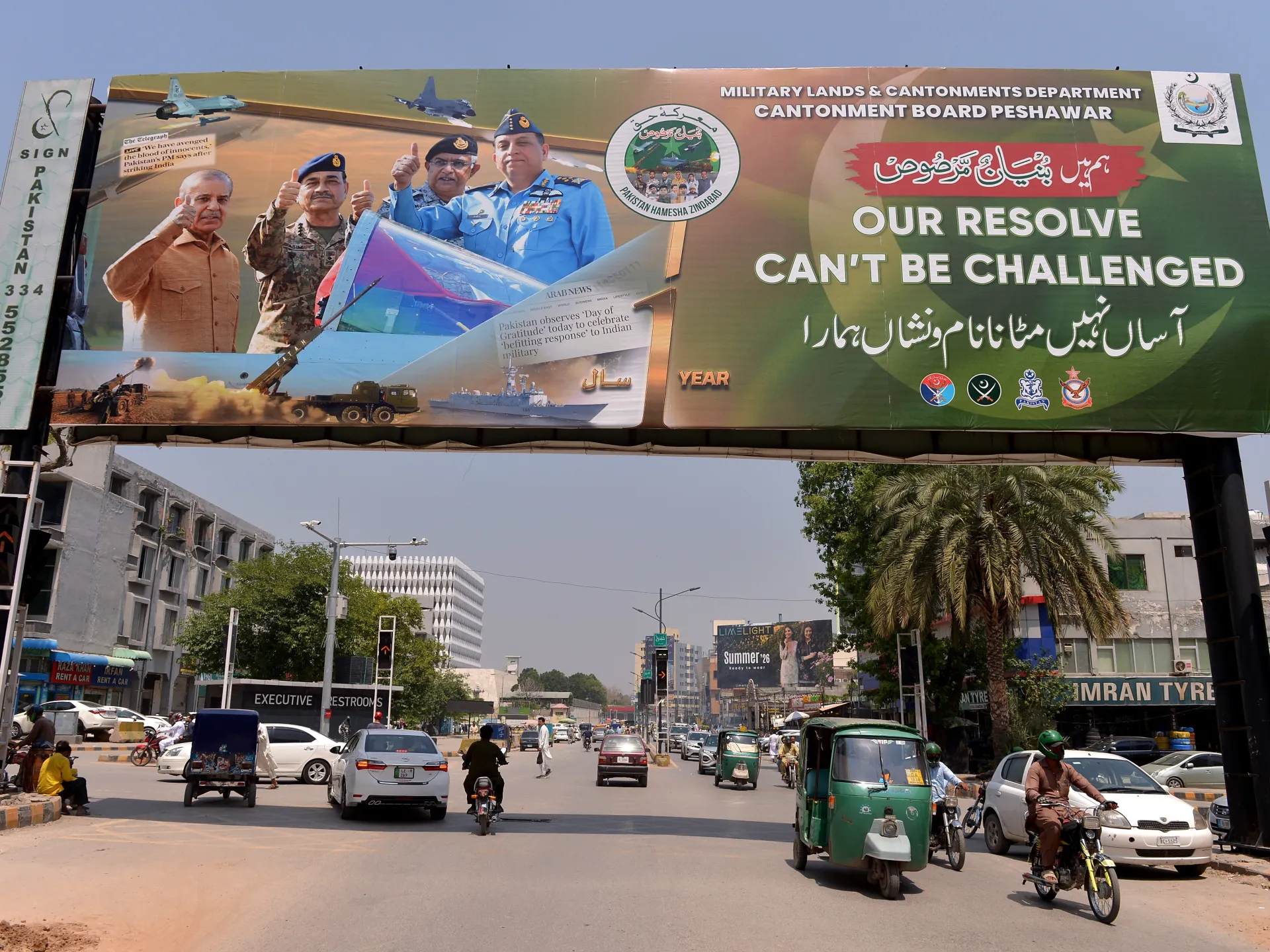
A year after a major military confrontation, both India and Pakistan have engaged in high-profile displays of supposed success, asserting that their respective military strategies yielded decisive victories. Official narratives in both nations emphasize significant achievements, ranging from claims of aircraft destruction to successful deterrence of a much larger adversary. These public celebrations feature prominent military officials addressing the media, painting a picture of resolute defense and unparalleled operational capability.
However, observers are noting a noticeable divergence between the celebratory public statements and the underlying strategic realities. While diplomatic and media fronts are united in projecting an image of triumph, the actual battlefield disclosures suggest a more complex, costly, and ultimately inconclusive engagement for both South Asian neighbors. The recounting of losses, even when framed as expected operational setbacks, complicates the straightforward narrative of uncontested dominance.
What This Means: Shifting Focus Beyond Military Victory
The heightened posturing and competing claims of success serve a critical function: to build internal national morale and project strength externally. However, the underlying pattern suggests that the primary takeaway for the subcontinent may not be about who
About the Author