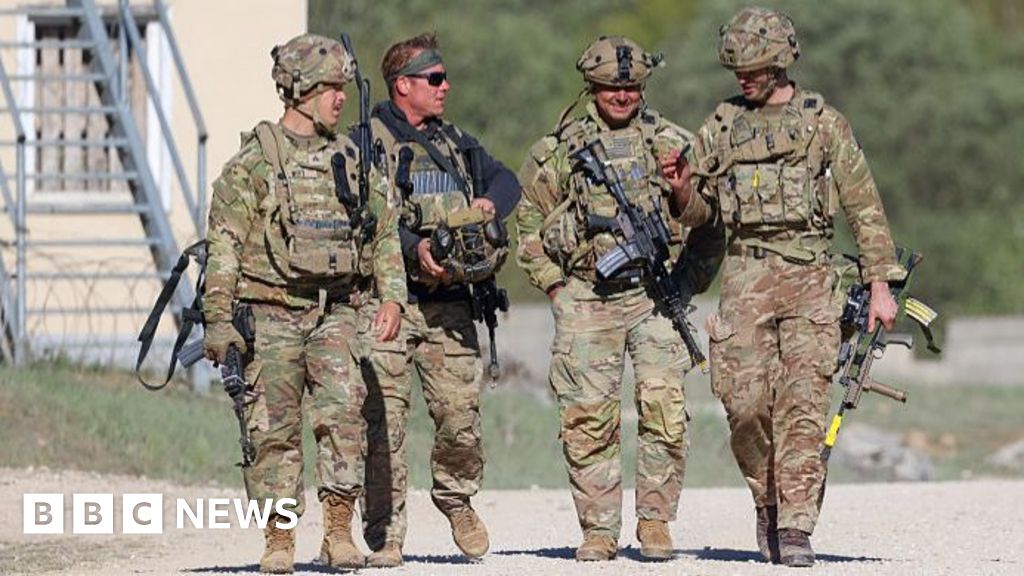
As diplomatic tensions escalate between political figures and international allies, the United States Department of Defense is reportedly planning a notable reduction in its military footprint across Germany. This proposed drawdown, involving the withdrawal of an estimated 5,000 personnel, appears to be tied to ongoing disagreements between high-profile political figures concerning regional conflicts, particularly the situation involving Iran. The decision signals a potential recalibration of America’s long-standing military commitment on the European continent.
While the U.S. maintains a substantial military presence across German soil—with tens of thousands of active-duty service members stationed at various bases—the reported reduction suggests a move toward re-evaluating the necessity and scale of the current deployment. Officials from the German side, while acknowledging the historical and mutual benefit of the American military presence in Europe, have indicated that such a strategic adjustment was perhaps an expected development in the current geopolitical climate. The Pentagon has framed the impending withdrawal not as a sudden action, but as the outcome of a comprehensive review of operational needs and evolving ground conditions.
This military shift coincides with public commentary from several high-level American political figures who have been vocal critics of existing alliance structures and international cooperation. These statements have fueled perceptions of increased transatlantic friction, suggesting that strategic military posturing may be heavily influenced by domestic political disagreements rather than solely by established alliance mandates. The announced withdrawal timeline indicates that this reduction in force will be a gradual process, expected to unfold over a period spanning the next to the next year.
What This Means:
The potential scaling back of American troops in Germany represents a significant pivot point for transatlantic security architecture. Such a move could force NATO and its European partners to rapidly re-evaluate defense spending, operational capabilities, and the shared burden of collective security. It underscores a growing trend where bilateral political spats between powerful nations can directly influence major military and strategic undertakings. For European nations, this necessitates immediate contingency planning to maintain deterrence and interoperability without the established guarantor presence.
Context and Implications:
Historically, the U.S. commitment to Europe has been a cornerstone of stability, particularly within NATO frameworks. Reports of potential reductions, coupled with strong public rhetoric questioning alliance obligations across multiple nations, suggest a period of structural uncertainty. These developments prompt questions about the future reliability of multilateral defense pacts and whether national strategic interests are beginning to supersede those of collective security arrangements across the continent.
About the Author